Hakam Home

Category

Governance & Civic Participation

4 articles

The Moral Cost of Silence: A Call for Religious Minorities to Engage Boldly in American Public Life

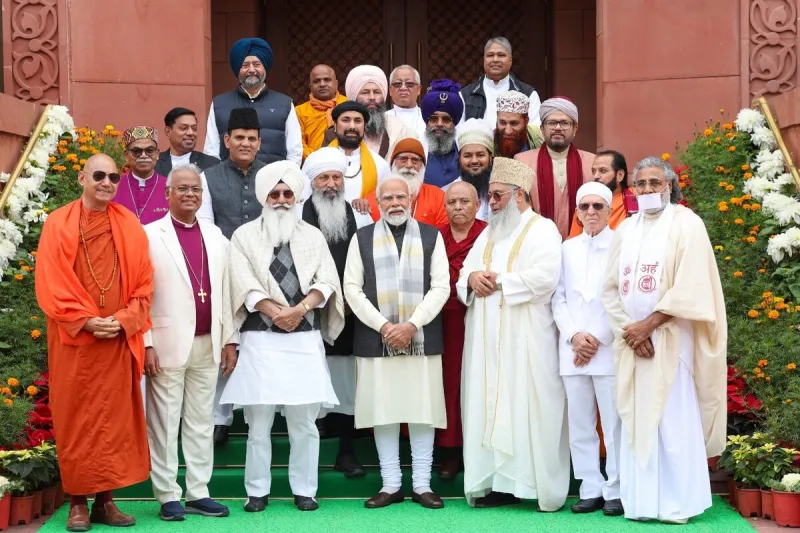
The Moral Cost of Silence: A Call for Religious Minorities to Engage Boldly in American Public Life

The instinct to protect sacred space from political contamination is understandable — but for religious minority communities in America, strategic disengagement from civic life has too often become a form of complicity. This piece challenges faith leaders and their congregants to move beyond the false choice between spiritual purity and political relevance, and to develop the frameworks necessary for principled, courageous public engagement.

Organizing at the Board: How Religious Minority Communities Are Winning the Fight for Curriculum Transparency

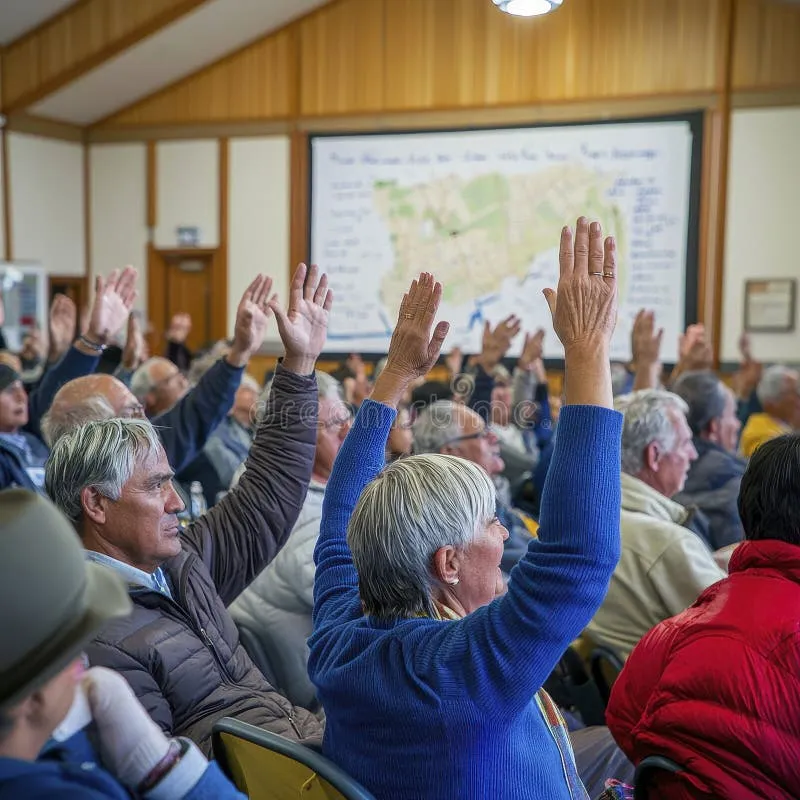
Organizing at the Board: How Religious Minority Communities Are Winning the Fight for Curriculum Transparency

From New Jersey to Arizona, Jewish, Muslim, Hindu, and Sikh families are mobilizing at the school board level with increasing sophistication, demanding that curriculum decisions be made transparently and that their children's histories and identities are neither erased nor distorted. What began as isolated complaints at public comment sessions has matured into a coordinated civic movement with real legislative wins. Hakam maps the strategies, the successes, and the road ahead.

Absent at the Table: The Structural Barriers Keeping Religious Minorities Out of Local Government — and What Communities Can Do Now

Absent at the Table: The Structural Barriers Keeping Religious Minorities Out of Local Government — and What Communities Can Do Now

Despite comprising a significant and growing share of the American population, Jewish, Muslim, Hindu, Sikh, and other religious minority communities remain dramatically underrepresented in the local government bodies that exercise the most direct power over their daily lives. From school boards to city councils to county commissions, the data reveals a persistent gap between demographic reality and political representation. Hakam investigates the structural causes of this disparity and maps a pr